

Professional therapy for parent-teen conflict is a structured, clinical intervention that treats the family system as a whole, whereas informal methods like punishment or isolation often fail to address the underlying emotional drivers. Unlike casual advice or temporary removals, licensed family therapy provides evidence-based tools that produce durable change in communication and attachment patterns.
The Limitations of Informal Conflict Resolution
Most families initially attempt to resolve escalating teen conflict through informal strategies such as strict rule enforcement, grounding, or removing privileges. While these tactics may stop a specific behavior temporarily, they rarely address the root cause of the defiance. Research indicates that parent-adolescent conflict is often an indicator of deeper relational dynamics rather than a simple character flaw in the teen. When parents rely solely on punitive measures, they often create a cycle of reactivity that deepens the emotional distance between the parent and the child. according to Effectiveness of Structural
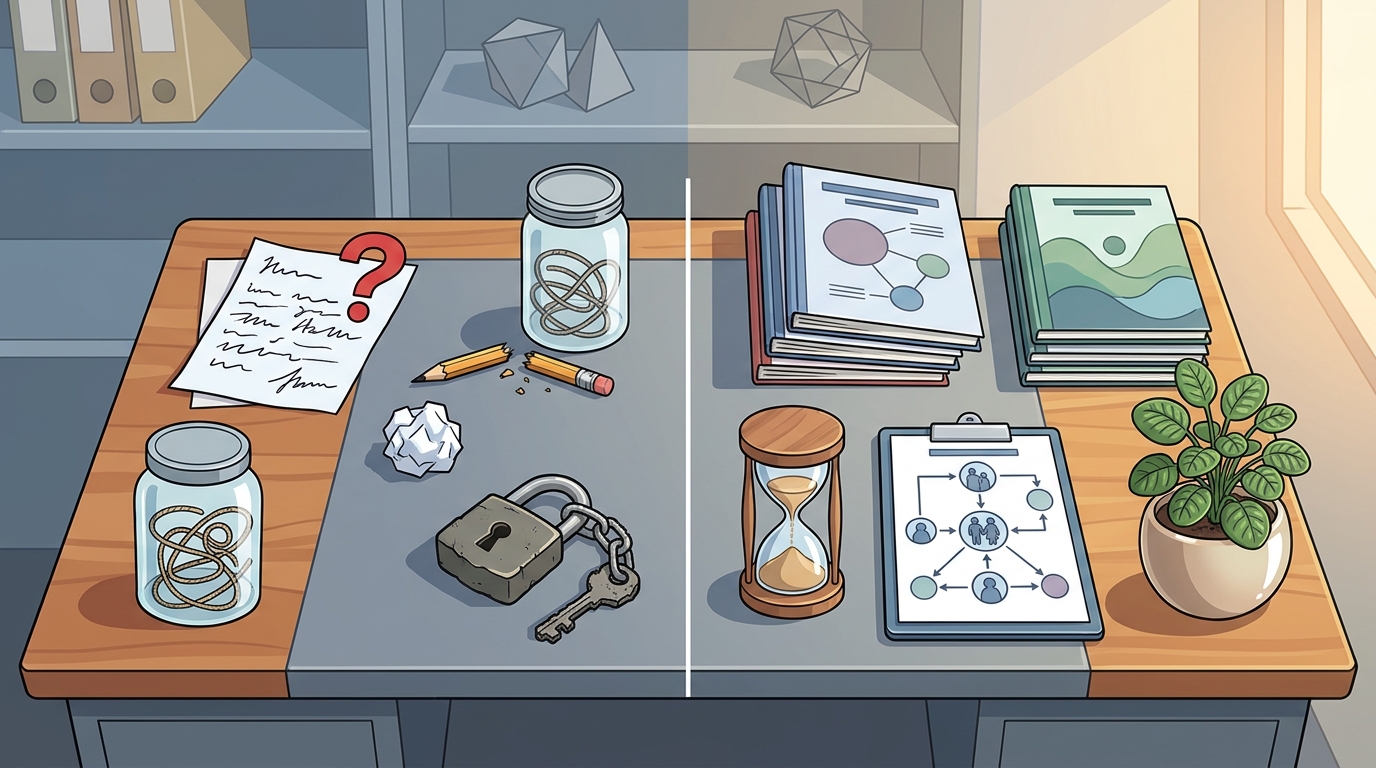
The primary implication of relying on informal fixes is that the family system remains rigid. Without a neutral third party to facilitate new ways of interacting, families tend to repeat the same negative loops. This rigidity can make it difficult for parents to negotiate or learn new conflict resolution skills, leaving the household in a state of chronic tension.
Why Family Systems Require Clinical Intervention
Family therapy is the process of treating an individual directly within the context of their family, addressing behavioral and cognitive issues that affect the entire unit. Unlike individual counseling, which focuses on one person's internal experience, family therapy examines the patterns of interaction that maintain conflict. This systemic approach is crucial because a teen's behavior is often a response to the family environment, not just a personal choice.
Professional intervention provides a safe container for these difficult conversations. In a clinical setting, a therapist can observe the family dynamic in real-time and intervene to break negative cycles. This is significantly different from a parent trying to mediate a dispute with their own child, where emotional history and bias often cloud judgment. The clinical environment allows for a level of objectivity that informal family discussions rarely achieve.
Evidence-Based Models vs. Temporary Removals
Many families consider sending a struggling teen to a wilderness program or residential facility as a solution to severe conflict. While these programs offer structure and containment, they often lack the long-term family integration necessary for lasting change. Evidence-based family interventions, such as Multidimensional Family Therapy (MDFT) or Functional Family Therapy (FFT), have shown substantial effectiveness in treating adolescent substance use, conduct issues, and family conflict. These models work because they treat the problem as a system-level phenomenon, requiring the family to change alongside the teen.
The key difference is durability. Removal-only approaches have a structural limit: the teen eventually returns to the same family system where the pattern formed. If the family dynamics have not shifted during the teen's absence, the conflict often resurfaces immediately upon return. Professional therapy, particularly intensive family work, ensures that the parents and the teen are learning new skills simultaneously, creating a foundation for change that holds after the treatment ends.
The Role of Licensed Clinicians in De-escalation
Working with a licensed clinician provides a level of expertise that informal mentors or family friends cannot match. Clinicians are trained in specific modalities like Cognitive Behavioral Therapy (CBT) and Dialectical Behavior Therapy (DBT), which offer concrete tools for emotion regulation and communication. For families in states like Idaho, where access to specialized adolescent care can be limited, licensed online therapy provides a critical resource. These professionals can help parents understand that a teen's defiance is often a coping strategy for anxiety or attachment issues, rather than a deliberate attempt to cause harm.
This shift in perspective changes how parents respond. Instead of reacting with anger or frustration, parents can use clinical tools to de-escalate situations and maintain connection. The presence of a professional also validates the family's struggle, reducing the isolation that often accompanies parenting a difficult teen. This support is essential for maintaining the parents' own mental health while they navigate the challenges of adolescence.
Choosing the Right Format for Your Family
Not all therapy is created equal, and the format of the intervention matters. Weekly sessions are effective for steady progress, but families in crisis may benefit from more intensive formats. Therapy intensives compress months of clinical work into days, allowing for deeper exploration of issues that a single hour per week cannot address. For families in Idaho or other licensed states, these intensive options provide a focused path to resolution without the need for long-term residential placement.
When choosing a provider, families should look for clinicians who specialize in family systems and adolescent development. It is important to verify that the therapist is licensed in your state and has experience with the specific issues your family is facing. A good fit between the family and the clinician is a strong predictor of successful outcomes, making the initial consultation a critical step in the process.
Key Takeaways
- Informal methods like punishment often fail to address the root causes of parent-teen conflict.
- Family therapy treats the entire system, not just the individual teen's behavior.
- Evidence-based models like MDFT and FFT show durable results for adolescent issues.
- Temporary removals may provide short-term relief but often lack long-term family integration.
- Licensed clinicians provide objective, evidence-based tools for de-escalation and communication.
- Intensive therapy formats can accelerate progress for families in acute crisis.
Frequently Asked Questions
Is family therapy effective for defiant teenagers?
Yes, research shows that family-based interventions are highly effective for treating adolescent defiance, substance use, and conduct issues. These approaches work by changing the family system, which often produces more lasting change than focusing solely on the teen. according to Moderation of treatment
How does online therapy compare to in-person sessions for family conflict?
Online therapy offers the same clinical effectiveness as in-person sessions for many families. It provides the flexibility to include family members in different locations and reduces barriers to access, making it a practical option for families in rural or remote areas.
What is the difference between family therapy and individual therapy for a teen?
Individual therapy focuses on the teen's internal experience, while family therapy addresses the interactions and patterns between family members. For conflict rooted in family dynamics, family therapy is often more effective because it involves all parties in the solution.
How long does it take to see results in family therapy?
Results vary, but many families begin to see improvements in communication and conflict resolution within a few months of consistent therapy. Intensive formats may produce faster initial shifts, but long-term maintenance requires ongoing practice.
Can therapy help if the teen is resistant to attending?
Therapists can work with parents to develop strategies for engaging a resistant teen. In some cases, starting with individual sessions for the parents can help shift the family dynamic enough to make the teen more open to participating.